


Blog
How to Choose the Right Compression Garment for Your Needs
Sep
Choosing the right compression garment is crucial for getting the best results, whether you’re recovering from surgery, improving athletic performance, or seeking everyday support. With a wide range of compression garments available, understanding which one fits your needs can be challenging. In this guide, we’ll break down key factors to consider when selecting the perfect compression garment.
1. Purpose of the Garment
First, determine why you need a compression garment. Different needs require different types of compression. Here are some common reasons:
- Post-Surgery Recovery: Look for medical-grade compression garments designed to reduce swelling and support healing. These are often recommended by surgeons after procedures like liposuction, tummy tucks, or breast augmentation.
- Everyday Wear: For general support, posture improvement, or shaping, lighter compression levels are more suitable. These garments are often used under clothing to create a slimmer appearance.
- Athletic Performance: Compression sleeves, socks, and shirts are designed to enhance circulation and support muscles during and after exercise, improving performance and reducing recovery time.
2. Compression Levels
Compression garments come in various levels, ranging from light to high. The level of compression you need will depend on your use case:

- Light Compression (15-20 mmHg): Ideal for everyday wear, light compression helps prevent swelling in people who stand or sit for long periods.
- Moderate Compression (20-30 mmHg): Suitable for post-surgery recovery or managing mild to moderate swelling. This is often used after cosmetic procedures or for conditions like varicose veins.
- High Compression (30-40 mmHg or higher): Medical-grade compression, typically prescribed for severe swelling, post-surgery healing, or venous issues. Always consult a doctor before using high-compression garments.
3. Choosing the Right Fit
Fit is crucial when selecting a compression garment. A garment that is too tight can restrict blood flow, while one that’s too loose won’t offer the necessary support. Follow these tips to ensure the best fit:
- Measure Carefully: Use a measuring tape to get accurate measurements of the area you’re targeting. Check the manufacturer’s sizing guide to match your measurements to the correct size.
- Try It On: If possible, try on the garment to ensure it feels snug but not overly tight. If you feel any discomfort or if the garment pinches, you may need a different size or level of compression.
- Check for Adjustability: Many garments, such as those with hook-and-eye closures or Velcro straps, allow for adjustment to fit different body shapes and sizes.
4. Type of Compression Garment
Different parts of the body require specific types of garments. Here’s a quick guide:
- Compression Bras: Often used post-surgery to support the chest area, reducing swelling and promoting proper healing after breast procedures.
- Waist and Abdominal Binders: Designed to support the core and help reduce swelling after abdominal surgeries or to provide shaping and support for daily wear.
- Sleeves and Gloves: These are ideal for reducing swelling in the arms and hands, often used in recovery from procedures such as arm lifts or for managing conditions like lymphedema.
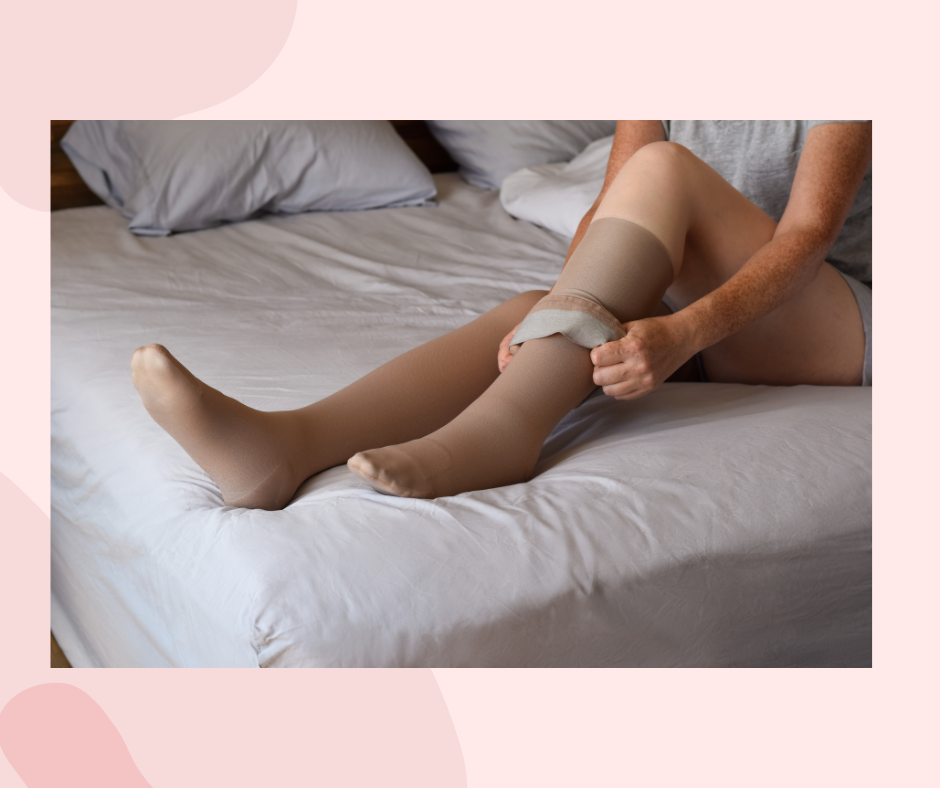
- Compression Socks: Commonly used to improve circulation in the legs and prevent swelling, particularly during long flights or periods of standing.
- Full-Body Compression Garments: Ideal for post-surgical recovery when multiple areas of the body need support, such as after liposuction on the torso, thighs, and arms.
5. Fabric and Breathability
The material of your compression garment plays a significant role in comfort. Look for breathable, moisture-wicking fabrics, especially if you plan to wear the garment for long periods. Common materials include:
- Spandex and Lycra: These offer high stretchability and provide a tight fit, making them popular for compression garments.
- Cotton Blends: Provide softness and breathability, making them ideal for everyday use or for those with sensitive skin.
- Antimicrobial Fabrics: Some compression garments come with antimicrobial properties, which can help reduce odors and keep the garment fresh during extended wear.
6. Post-Surgical Considerations
If you’re choosing a compression garment for post-surgery recovery, it’s essential to follow your surgeon’s recommendations. Surgeons often provide specific instructions on the type of garment, compression level, and duration of use. Failure to follow these guidelines can lead to complications or slower recovery.
7. Comfort and Ease of Use
You’ll likely be wearing your compression garment for extended periods, so comfort is key. Look for garments with smooth seams and labels that won’t irritate the skin. Additionally, consider how easy the garment is to put on and take off. Some garments come with zippers, hooks, or Velcro for easier use.
Choosing the right compression garment depends on your specific needs—whether it’s for post-surgery recovery, athletic performance, or daily support. By understanding the purpose, compression level, and fit, you can find a garment that helps you heal, perform, or simply feel better. Always consult with a medical professional for guidance, especially for post-surgical and medical-grade garments.